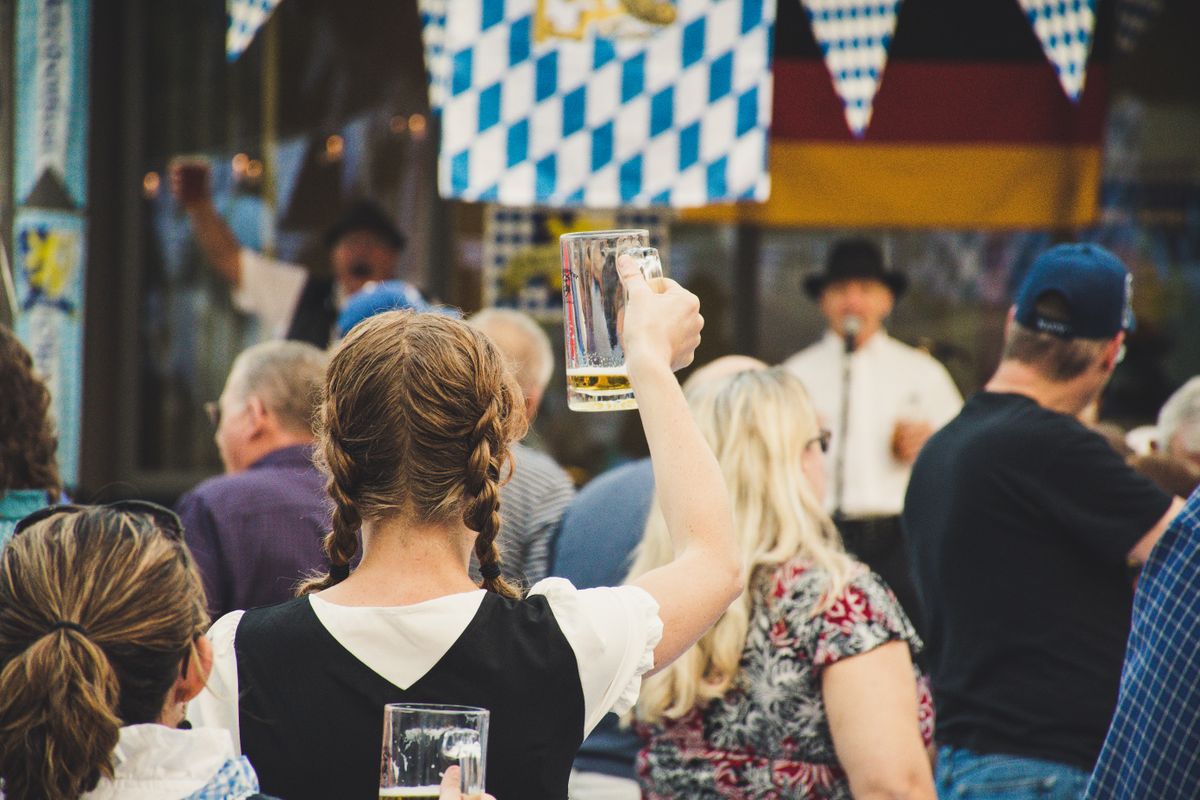
You can absolutely wear jeans to Oktoberfest – but you will be in the minority, and you will wish you had joined in. Traditional Bavarian dress, or Tracht, is worn by the vast majority of visitors today, locals and tourists alike, and putting it on is one of the easiest ways to feel part of the celebration instead of watching from the sidelines. This complete guide explains what to wear, the meaning behind the details, where to buy or rent it, how to care for it, and the etiquette that locals quietly notice.
A quick history of Tracht
Tracht began as the everyday and Sunday-best clothing of rural Alpine communities, with each valley and region developing its own colours, fabrics and embroidery. In the 19th century it became a symbol of Bavarian pride, and today it is worn with genuine affection at festivals, weddings and church holidays across Bavaria and Austria. Wearing it at Oktoberfest is not fancy dress – it is taking part in a living tradition, which is exactly why doing it respectfully matters.
For women: the Dirndl
A Dirndl has four parts: a fitted bodice, a blouse worn underneath, a full skirt, and an apron. They range from simple cotton versions to elaborate silk ones, and you can spend anywhere from €40 for a basic set to several hundred for a designer piece. The blouse sits under the bodice and can be high-necked or off-the-shoulder; the skirt usually falls just below the knee for festival wear; and the whole outfit is designed to be both flattering and comfortable for a long day on your feet. Add traditional accessories like a Kropfband (a ribbon choker), a small shoulder shawl, or a wicker handbag to complete the look.
The apron knot – the detail everyone reads
Here is the single most useful thing to know: the side on which you tie your Dirndl apron bow sends a clear message about your relationship status, and locals genuinely read it. A bow tied on the left means single and available; on the right means taken (married or in a relationship); tied at the centre front traditionally signals a virgin or, on a child, simply a child; and tied at the centre back indicates a widow – or that the wearer is a waitress working the tent. Tie yours deliberately, because people really do glance at it.
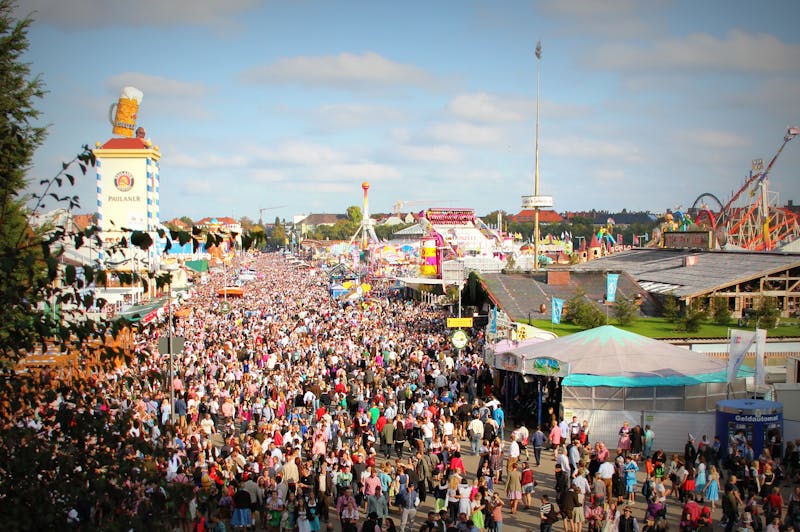
For men: Lederhosen
Lederhosen are leather shorts or knee-length breeches, traditionally made from deer or goat leather and worn with a checked or white shirt, sturdy shoes and often wool socks or Loferl (calf warmers). A good leather pair is an investment (€150–300+) but lasts a lifetime and famously looks better the more it is worn – you never machine-wash them. A cheaper set for a single trip is perfectly acceptable too. Finish the look with a Charivari (a decorative silver chain strung across the front flap), a Trachtenhemd shirt in white or blue check, and a felt hat if you want the full effect.
Shoes, hair and accessories
Whatever you wear above the ankle, comfortable closed shoes are non-negotiable – you will stand, walk and dance for hours on ground that can be muddy. Men wear brown leather shoes or traditional Haferlschuhe; women choose flats, ballet pumps, or low block heels rather than stilettos, which sink into soft ground. For hair, braids, plaits and loose waves all suit a Dirndl beautifully, and a simple flower or a small floral crown is a popular, photogenic finishing touch. Keep bags small – anything larger than roughly A4 size is not allowed on the grounds – and bring a light jacket or wool cardigan for cool September evenings.
Where to buy your Tracht
You have three options. Order online before you travel for the widest choice and the best prices – just allow time to try it on and exchange sizes. Buy in Munich, where department stores, dedicated Trachten shops and even supermarkets stock Dirndl and Lederhosen throughout festival season, though prices and queues rise as the festival approaches. Or rent a set if you only need it once, which several Munich shops offer. Whatever you choose, try it on in advance – a well-fitted Dirndl or pair of Lederhosen makes a huge difference to how comfortable and confident you feel all day.
How to care for your Tracht
Lederhosen are never washed in a machine; spot-clean stains with a damp cloth and let the leather breathe – the patina they develop is considered a badge of honour. Dirndl blouses and aprons can usually be washed gently, but check the label on bodices and skirts, many of which are dry-clean only. Store everything on hangers rather than folded so it is ready for next year.
Etiquette: dos and don’ts
- Do wear your Tracht with pride – tourists joining in is welcomed, not frowned upon.
- Do tie your apron bow on the correct side.
- Don’t wear a costume-shop “sexy” outfit or a cheap novelty version – locals find it disrespectful. Aim for the real thing, even a simple one.
- Don’t over-accessorise with plastic props or beer-branded hats; understated is far more authentic.
Is it required?
No – there is no dress code, and you will be served and warmly welcomed in normal clothes. But Tracht is comfortable, photogenic and genuinely fun, and the overwhelming majority of guests wear it. If you are travelling especially for the festival, it is well worth the small effort and cost.
Frequently asked questions
Do tourists really wear Tracht? Yes – most visitors do, and locals appreciate the effort.
How much should I spend? A respectable starter outfit costs around €60–120; quality leather and silk cost more and last for years.
Can I rent instead of buy? Yes, several Munich shops rent full outfits if you only need it once.
Once your outfit is sorted, plan the rest with our trip planner, choose your beer tent, and check all the 2026 dates and cities. Dress the part, and the whole day feels different.