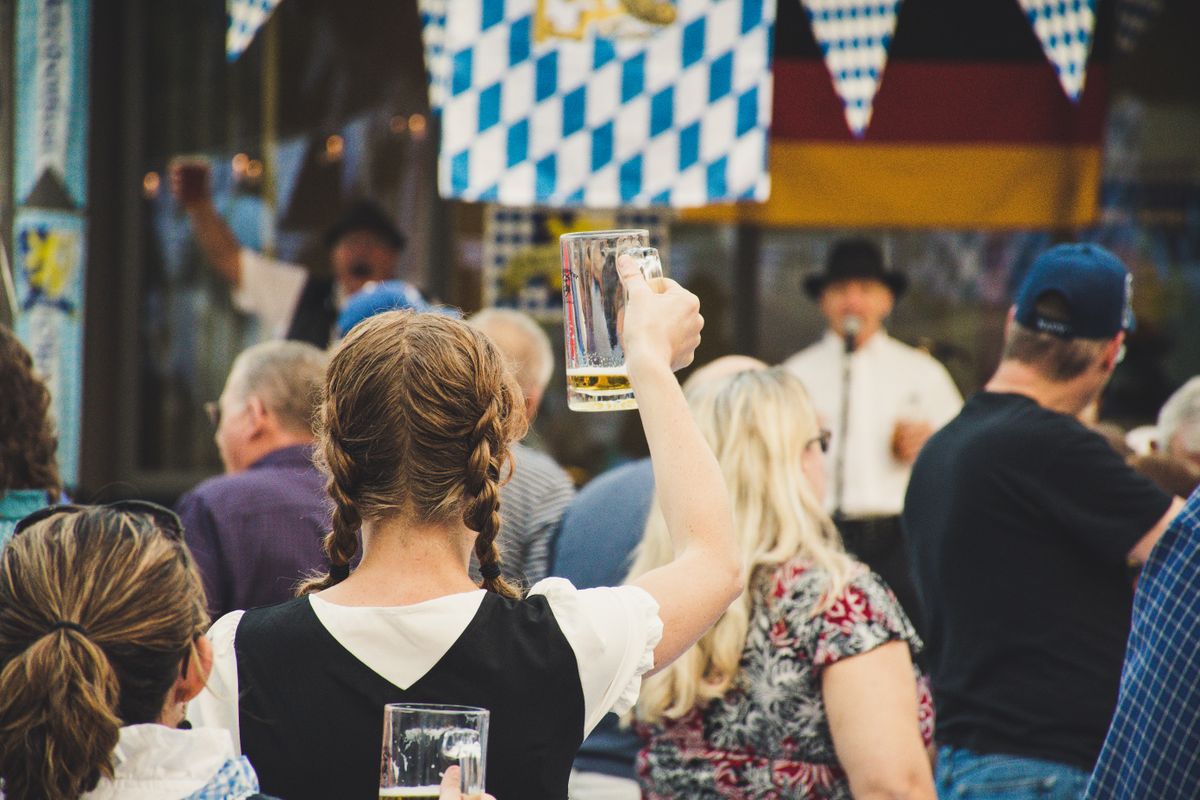
Lederhosen are the heart of a man’s Oktoberfest outfit – instantly recognisable, surprisingly comfortable, and built to last a lifetime. But buying your first pair raises plenty of questions: what length, what leather, how should they fit, and what do you wear with them? This complete Lederhosen guide for 2026 explains how to choose, wear and care for them so you look the part and feel at home in the tents.
What are Lederhosen?
Lederhosen – literally “leather trousers” – are traditional Bavarian breeches made from tanned deer, goat or cow leather, worn with a checked or white shirt and sturdy shoes. They originated as hard-wearing workwear in the Alpine regions and evolved into the festive traditional dress worn today. Their great appeal is that they are practically indestructible, get more comfortable and characterful the more you wear them, and never need washing – the patina they develop over years is considered a badge of honour.
Choosing a length
There are two main styles. Short Lederhosen (above the knee) are the classic, festive choice most associated with Oktoberfest, cooler for a crowded tent and the most popular pick. Bundhosen (knee-length breeches) are slightly more formal and traditional, often worn with long socks. For the festival, short Lederhosen are the easy, comfortable and most common choice, but either is perfectly correct.
Leather and quality
The leather makes the difference. Deer leather is the softest, finest and most expensive; goat and cow leather are more affordable and very hard-wearing. A quality pair, with hand-stitched embroidery and solid fittings, is an investment of €150–300 or more but will genuinely last for decades. For a single trip, a cheaper split-leather or budget pair is perfectly acceptable. Look at the stitching, the quality of the front flap (the Hosentürl) and the embroidery to judge quality.
How they should fit
Lederhosen should fit snugly but comfortably around the waist, sitting on your hips, because the leather stretches slightly and moulds to you over time – so a brand-new pair should feel a touch firm rather than loose. They are traditionally held up by matching H-shaped braces (suspenders), which take the strain off the waistband and are part of the classic look. If buying online, follow the maker’s waist sizing carefully and order ahead so you can check the fit.
What to wear with Lederhosen
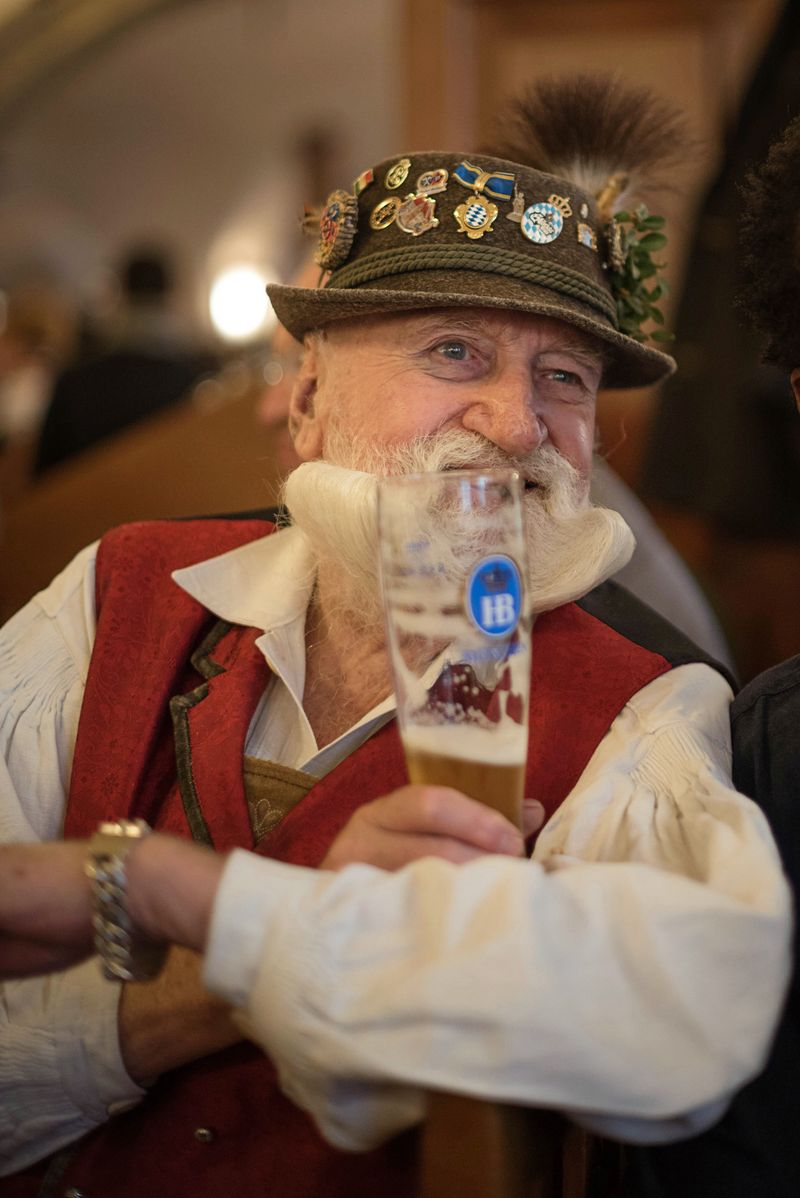
Complete the look with a Trachtenhemd – a checked shirt in red, blue or green, or a plain white one – tucked or worn loose. On your feet, traditional Haferlschuhe or brown leather shoes with wool socks work best; comfortable closed shoes are essential for a long day. Add a Charivari (a decorative silver chain across the front), and perhaps a felt hat, for the full effect. Keep it understated and authentic rather than over-accessorised.
Caring for your Lederhosen
The golden rule: never machine-wash them. Spot-clean stains with a damp cloth, let them air, and embrace the patina that builds up – it is part of their character and value. Store them on a hanger rather than folded, and a quality pair will be ready to wear festival after festival for years to come.
Where to buy or rent
As with a Dirndl, you can order online ahead of your trip for the best choice and price, buy in Munich during festival season (at a premium), or rent a pair if you only need them once. Buying ahead and trying them on in advance is the surest way to get a comfortable, confident fit.
Frequently asked questions
How much do Lederhosen cost? From around €80 for a budget pair to €150–300+ for quality leather that lasts for decades.
Short or knee-length? Short Lederhosen are the classic, comfortable festival choice; knee-length Bundhosen are slightly more formal.
Do I wash Lederhosen? No – never machine-wash them; spot-clean only and let the patina develop.
What do I wear with them? A checked or white Trachtenhemd, braces, wool socks and brown leather Haferlschuhe.
Why Lederhosen are a lifetime investment
Unlike most clothing, a good pair of Lederhosen genuinely improves with age. The leather softens, moulds to your body and develops a rich patina that tells the story of every festival it has seen – which is why Bavarians treasure pairs handed down through generations. Spending a little more on quality leather and solid stitching therefore pays off over time: a €200 pair worn for twenty years works out cheaper, and far more satisfying, than replacing a cheap pair every few seasons. If you expect to return to Oktoberfest or wear them to other festivals, treat them as the long-term investment they are.
Embroidery, colour and regional styles
Lederhosen vary by region and taste. The leather ranges from pale grey-tan to deep brown and almost black, and the embroidery on the front and sides – often in green, white or oak-leaf motifs – can be subtle or elaborate. Darker, heavily embroidered pairs tend to look dressier, while lighter, simpler ones feel more casual and classic. There is no single correct choice; pick a colour and level of decoration you feel comfortable in, as you will be wearing them for many long, happy days.
Do Lederhosen get more comfortable over time? Yes – the leather softens and moulds to you, which is why a quality pair is a lifetime investment.
What colour Lederhosen should I choose? Brown and tan are the most popular and versatile; darker, more embroidered pairs look dressier.
The bottom line on Lederhosen
A good pair of Lederhosen is one of the best purchases you can make for Oktoberfest: comfortable, hard-wearing, endlessly characterful and built to last for decades. Choose a length and leather that suit you, get the waist fit snug, pair them with a checked shirt, braces and sturdy shoes, never wash them, and wear them with pride. Whether you buy quality leather as a lifetime investment or a budget pair for a single trip, you will feel instantly part of the celebration the moment you put them on.
Are Lederhosen worth buying? Yes – a quality pair lasts for decades and only gets better with age, making it well worth the investment if you love the festival.
Once your outfit is ready, read our full guide to what to wear, plan with the trip planner, and check the 2026 dates.